Monday, May 18, 2015

And they're gone...

Science Library north reading area
Just like that, the semester is over, with nary an indication that every seat was filled just three days ago.  The stillness of the library the first morning after finals frenzy is not a surprise - but it feels strange, nonetheless.  Just a brief lull before alumni and commencement visitors fill the town!

Library Hours, May 18 - Aug 25

Mon - Fri 9am-12pm & 1-4:30pm
Sat - Sun  CLOSED

We will also be closed:
May 25, July 3 and July 13-15.

Friday, May 15, 2015

New Publications from Craig, Fitzgerald, Simen, and Woods, with alumni

Oberlin authors are noted in bold font.  Use Journal Finder to access these journals.

Craig, Norman C., [with former students:] Appiah, Kwabena J., Miller, Charles E., Seiden, Michael V, Varley, Joseph E. 2015. Reevaluation of matrix-isolation infrared spectra of the isotopologues of trans-diazene and attempts to prepare cis-diazene by photoisomerization. Journal of Molecular Spectroscopy 310:3-7.

Demaison J, Craig, Norman C, Groner P, Ecija P, Cocinero EJ, Lesarri A, Rudolph HD. 2015. Accurate equilibrium structures for piperidine and cyclohexane. Journal of Physical Chemistry A 119(9):1486-93.

FitzGerald, Stephen A., Schloss, Jennifer M., Pierce, Christopher J., Thompson, Benjamin, Rowsell, Jesse LC, Yu K, Schmidt JR. 2015. Insights into the anomalous vibrational frequency shifts of CO2 adsorbed to metal sites in microporous frameworks. Journal of Physical Chemistry C 119(10):5293-300.

Freestone DM, Simen, Patrick, Balci F, Church RM. 2015. Optimal response rates in humans and rats. Journal of Experimental Psychology-Animal Learning and Cognition 41(1):39-51.

Mark, Zachary ’14, Yang H, Zimmerman A, Chen Y. 2015. Quasinormal modes of weakly charged kerr-newman spacetimes. Physical Review D 91(4):044025.

Standage D, Wang D, Heitz RP, Simen, Patrick. 2015. Toward a unified view of the speed-accuracy trade-off. Frontiers in Neuroscience 9:139.

Woods, Kevin. 2015. Presburger arithmetic, rational generating functions, and quasi-polynomials. Journal of Symbolic Logic 80(2):433-49. [current volumes are not available online to Oberlin users; use ILL]

Monday, April 27, 2015

From New York to South Africa: Publications from Simonson and Dorfler, Geology Department

New publications from Oberlin authors, as found in Web of Science:

geology.gsapubs.org/content/43/3.toc
Dorfler, Kristin M., Caddick, M. J., and Tracy, R. J., 2015.
Thermodynamic Modeling of Crustal Melting Using Xenolith Analogs from the Cortlandt Complex, New York, USA.  Journal of Petrology  v. 56, no. 2, p. 389-408.

Simonson, Bruce M., Goderis, S., and Beukes, N. J., 2015.
First detection of extraterrestrial material in ca. 2.49 Ga impact spherule layer in Kuruman Iron Formation, South Africa.  Geology  v. 43, no. 3, p. 251-254.

Tuesday, April 14, 2015

Thoughtful authors for inquiring readers: activism, catastrophe, insurgency, and the ephemera of life on this lucky planet

The new book shelf is brimming with books full of big ideas to challenge your thinking.  Here are just a few titles to get you started:

So many wonderful books awaiting your discerning and thoughtful response!  Living on this lucky planet calls us to pay attention to what is important and what needs to be done to sustain life and a healthy, holistic environment.  These authors can help along the way.


Friday, April 10, 2015

Publication on Kerr black hole momentum by Assistant Professor of Physics Robert Owen

Recently published:  Lovelace, G; Scheel, MA; Owen, Robert, Physics & Astronomy Dept; Giesler, M; et al. 2015.

Nearly extremal apparent horizons in simulations of merging black holes.
Classical and Quantum Gravity 32(6):065007  [A journal from Institute of Physics @ IoPScience]

Partial abstract:
The spin angular momentum S of an isolated Kerr black hole is bounded by the surface area A of its apparent horizon: 8 pi S A. We show that the overspun surfaces are indeed superextremal: our lower bound on their Booth-Fairhurst extremality exceeds unity. However, we confirm that these superextremal surfaces are always surrounded by marginally outer trapped surfaces (i.e., by apparent horizons) with 8 pi S < A. The extremality lower bound on the enclosing apparent horizon is always less than unity but can exceed the value for an extremal Kerr black hole.

Access on the OhioLINK Electronic Journal Center.

Wednesday, April 08, 2015

GeoScienceWorld E-Books added to OBIS

The library has added nearly 90 new titles to our e-book collection, from the provider GeoScienceWorld - also known as GSW.  The easiest way to browse these titles is through OBIS, with a keyword search on GSW.

Here are just three of the new titles, from three different publishers:

Energy resources for human settlement in the solar system and earth's future in space / edited by William A. Ambrose, James F. Reilly II, and Douglas C. Peters.  American Association of Petroleum Geologists, 2013

Insights into the Michigan Basin : salt deposits, impact structure, youngest basin bedrock, glacial geomorphology, dune complexes, and coastal bluff stability / edited by Robb Gillespie.  Geological Society of America, 2013

Minerals at the Nanoscale / edited by F. Nieto, K.J.T. Livi, and R. Oberti
Imprint London : Mineralogical Society of Great Britain & Ireland, 2013

Tuesday, March 17, 2015

Science Advances: new open access journal from AAAS and Science.

Science Advances: significant research, open access
A "new generation" journal has been welcomed at the American Association for the Advancement of Science, publisher of the highly respected, high impact journal Science.  Science Advances was officially launched last month, as the open access addition to the Science family of journals.  From today's email announcement:
"Science Advances features high quality, peer-reviewed research across the sciences—in an open access, digital-only format.  Science Advances welcomes research from all disciplines, providing top-tier peer review, expert editing, and rapid publication—all for one low fee."
It is an exciting move for Science and the AAAS, and the first bevy of articles are tantalizing in both content and ease of access.  This random sample of summation statements taken from the website hints at the diversity of research areas that are and will be represented in the new journal.  Take a look!
"Aversive experiences summated during fighting in crickets activate the NO signaling pathway, which promotes the decision to flee and results in post-conflict depression of aggression.
"Dating of coral tombs sheds light on ancient trans-oceanic civilization.
"Ice core records show that anthropogenic Pb pollution levels from road traffic in South America exceed those of any historical metallurgy.
"Ancient Mesoamerican settlements obey the same scaling laws as modern cities despite vast differences in economy, technology and political organization.
"Evidence suggests that Western North America will be drier at the end of the 21st century than any period of the last 1000 years.
"An analysis of networks of graduate-to-faculty hires reveals systematic hiring biases and patterns."  -- from the list of archived articles.

Friday, March 06, 2015

Endocannabinoids, heresy, algal biotechnology, chemistry teaching, the golden mole, morality and fossil fuels - such a wide range of topics in a small shipment of books.

Today's shipment of new books is delightful in terms of its reach into diverse areas of study:  diving deep into science during the Victorian area before leaping into the latest findings on the endocannabinoidome; then hopping through discourses on designing a chemistry teaching lab, controlling communicable diseases, understanding environmental conflict through the lens of mountaintop mining, the evolution of animal weapons and plants thriving in seemingly impossible conditions.  It's a wonderful example of the breadth and depth of the science library collection - come check it out!  See the new book list.

Tuesday, February 24, 2015

Chemical whimsy to transport you away

"Elements of chemical whimsy" can transport you away when you "encounter them amidst the serious business of science."  This is the premise of a new volume in the American Chemical Society Symposium Series: A Festival of Chemistry Entertainments, edited by Jack Stocker and Natalie Foster.

There are, indeed, little gems of witty observations and rye humor here.  It will be most meaningful to readers with a nodding acquaintance to chemistry - but not only to those chemically minded individuals.  Read about the cat who co-published a seminal paper in low temperature physics, a parody published by the distinguished German journal Berichte der deutschen chemischen Gesellschaft, the shortest abstract (one word) published in Chemical Abstracts (the database now known as SciFinder), and plenty of obscure clues for chemistry themed crossword puzzles - not to mention a rousing update to the song of chemical elements.

Now on the new book shelf.

Monday, February 23, 2015

Protect the coast lands before we arrive at the last beach

The Last Beach, by Orrin Pilkey and Andrew Cooper, is a scary and true story - multiple stories - of the many ways we are racing towards degradation of that thin place between sea and land that was once pristine.  The threats to robust shorelines impact every part of the planet, since an ecologically sound interface between ocean and terrestrial life is essential for a healthy ocean and the world's oceans are integral to maintaining global ecosystems.

All is not lost nor hopeless, but action is needed now - scientifically based action, not for political or spurious economic gain - to restore beaches to their proper role in the ocean/land equation.

The print copy is now on the new book shelf, or read the book online [access through OBIS].

Friday, February 20, 2015

Dodging extinction

Here's another book to add to your collection of "stuff to read when I have more time" -- and then reconsider its placement on the pile and spend some time with it right now.

You can read a preview on the NCSE website:
Dodging extinction : power, food, money and the future of life on Earth, by Anthony D. Barnosky University of California Press, 2014

Barnosky is a Professor in the Department of Integrative Biology, Curator in the Museum of Paleontology, and Research Paleoecologist in the Museum of Vertebrate Zoology at the University of California, Berkeley. "When a paleontologist warns that something very unusual in Earth's history is taking place right now, everyone ought to pay attention," writes Elizabeth Kolbert, the author of The Sixth Extinction. "Dodging Extinction should serve as a wake-up call to the world." [excerpted from Evolution and climate education update for February 20, 2015]

Thanks to the National Center for Science Education for making the preview available.  The science library copy is available to borrow, as of this afternoon.  Come check it out!  There is plenty of other thoughtful reading at the NCSE site; head on over to the blog for more: ncse.com/blog

Thursday, February 19, 2015

Publication from FitzGerald and Rowsell, with staff and student collaborators

This just published: a collaborative effort of physics and chemistry faculty, staff and a recent alumna.  We remember here with great affection the late Jesse Rowsell, associate professor of chemistry.

Journal homepage
as indexed in Web of Science:

Infrared overtone spectroscopy of adsorbed hydrogen in MOF-5.
FitzGerald, Stephen A. (Physics); Nelson, Jocienne N. ‘14 (Physics); Gilmour, Elizabeth (Physics); Rowsell, Jesse L. C. (Chemistry).
JOURNAL OF MOLECULAR SPECTROSCOPY, 307 20-26;  JAN 2015
access in OhioLINK Electronic Journal Center or Elsevier's sciencedirect.com

Semiexperimental Equilibrium Structure in Polyenes

A new publication from Emeritus Professor of Chemistry Norm Craig et al., as indexed in Web of Science:

Electron De localization in Polyenes: A Semiexperimental Equilibrium Structure for (3E)-1,3,5-Hexatriene and Theoretical Structures for (3Z5Z)-, (3E5E)-, and (3E,5Z)-1,3,5,7-Octatetraene

Craig, Norman C.; Demaison, Jean; Groner, Peter; Rudolph, Heinz Dieter; Vogt, Natalja

JOURNAL OF PHYSICAL CHEMISTRY A, 119 (1):195-204; 0.1021/jp510237h JAN 8 2015

Thursday, January 22, 2015

Even Snow Creatures Want to Read

A bit of Winter Term whimsy... this snow creature appeared recently at the science library northeast corner, perfectly poised for over the shoulder reading.  Carmen Azevado seems unfazed by the scrutiny.

Thursday, January 15, 2015

Student and Faculty publications in Neuroscience and Geology

New publications from Oberlin students and faculty, as indexed in Web of Science:

Leslie, William R. (OC’15), Kristopher B. Karnauskas, and Jan H. Witting. 2014. The equatorial undercurrent and TAO sampling bias from a decade at SEA (vol 31, pg 2015, 2014). Journal of Atmospheric and Oceanic Technology 31 (12) (DEC): 2871-. [Oberlin users, access this through JournalFinder]

Goldfarb, Stephanie; Naomi E. Leonard; Patrick Simen, Assistant Professor Neuroscience; Carlos H. Caicedo-Nunez; and Philip Holmes. 2014. A comparative study of dift diffusion and linear ballistic accumulator models in a reward maximization perceptual choice task. Frontiers in Neuroscience 8 (AUG 5): 148.

Karsilar, Hakan; Patrick Simen, Assistant Professor Neuroscience; Samantha Papadakis (OC’15); and Fuat Balci. 2014. Speed accuracy trade-off under response deadlines. Frontiers in Neuroscience 8 (AUG 15): 248.

"Frontiers is a community-oriented open-access academic publisher and research network."  About Frontiers.

Friday, January 09, 2015

Open Access article: Elrod, et al., on organic aerosol components.

A new publication from the Elrod laboratory, as indexed in Web of Science: 

atmospheric-chemistry-and-physics.net/ 

Birdsall, Adam W. ’14; Miner, Corina R. ’15; Mael, Liora E. ’16; Elrod, Matthew J., Professor of Chemistry.
Mechanistic study of secondary organic aerosol components formed from nucleophilic addition reactions of methacrylic acid epoxide.

ATMOSPHERIC CHEMISTRY AND PHYSICS, 14 (23):12951-12964;  2014.   www.atmos-chem-phys.net/14/12951/2014/  Open access

Saturday, December 13, 2014

Misuse of "study drugs" can be harmful

In the media, there are many reports of college students misusing prescription drugs to enhance their ability to study; see, for example, WebMD, CNN and the New York Times.

As we move into finals week, some readers may be planning on using study drugs to help their grades. For these readers I want you to understand how these drugs affect your body and why you may want to refrain from using them if you have other medical conditions. Whether you plan on using study drugs or not, I hope that you find this information interesting and that you will be able to use some of the Science Library’s resources to learn more about them. 

Structure of Amphetamine (Adderall)
Source: Wikimedia Commons
What are study drugs?
Study drugs are substances taken to increase mental functions such as attention, concentration, alertness, memory, motivation, planning, and decision-making. The most widely used are stimulants such as methylphenidate (Ritalin, Concerta), amphetamine (Adderall), and modafinil (Provigil). These medications are widely prescribed because they are useful for controlling symptoms of attention deficit hyperactivity disorder (ADHD) (methylphenidate, amphetamine) or excessive daytime sleepiness associated with narcolepsy and other sleep disorders (modafinil, amphetamine, methylphenidate). (1)

In the last two decades, there has been a dramatic increase in stimulant prescriptions, probably due to increased awareness and diagnosis of these disorders. This has led to greater availability of these drugs for people that were not prescribed them. (2)

How do they act?
They act similarly to a family of key brain neurotransmitters called monoamines, which include norepinephrine and dopamine, by enhancing their effects. The increase in their effects can induce a feeling of euphoria when stimulants are taken nonmedically. This can lead to addiction and abuse of these drugs. (2)

Stimulants also increase the action of the sympathetic nervous system; increasing blood pressure and heart rate, constricting blood vessels, increasing blood glucose, and opening up breathing passages. (2)

Problems with study drugs:
Stimulants increase alertness, attention, and energy, as well as elevate blood pressure, heart rate, and respiration. However, withdrawal can result in symptoms that are opposite to the positive effects, including fatigue, depression, and disturbed sleep. Abuse of stimulants can lead to feelings of hostility, paranoia, and psychosis. High doses can result in dangerously high body temperature and irregular heartbeat as well. Additionally, there is the potential for cardiovascular failure or seizures with abuse of stimulants. (1)

Study drugs can interact with other medications you are taking or with pre-existing medical conditions. Do not mix stimulants and over the counter cold medicines that contain decongestants, because combining these substances can cause dangerously high blood pressure or irregular heart rhythms. (2)  If you are getting sick during finals week and taking medicine, you should avoid taking stimulants.

Do not use stimulants like Adderall if you have glaucoma, severe anxiety, heart problems, or a family history of muscles twitches or Tourette’s syndrome. You should also avoid using them if you have taken a monoamine oxidase (MAO) inhibitor in the past two weeks because a dangerous drug interaction could occur. MAO inhibitors include isocarboxazid, linezolid, phenelzine, rasagiline, selegiline, and tranylcypromine (3).

Additionally, there is limited and inconsistent evidence to support the pro-cognitive effects of these drugs in healthy, non-sleep-deprived individuals, though they are often perceived that way by those who are taking them (4).

If you want to know more:

Search SciFinder, PubMed, or Web of Science; try keywords such as nootropics, amphetamines, academic doping or cognitive enhancing drugs.  You may want to start by filtering for reviews. If you want a more general overview, try a subject search in OBIS on substance abuse.  Here are two useful reference sources:

Substance abuse: a reference handbook / David E. Newton
Santa Barbara, Calif. : ABC-CLIO, c2010

Psychopharmacology : drugs, the brain, and behavior, 2nd ed  / Jerrold S. Meyer, Linda F. Quenzer
Sunderland, Mass. : Sinauer Associates, c2013

If you want assistance, come to the science library reference desk and we can help you search.
Sources:
  1. Steiner H., Van Waes V. Addiction-related gene regulation: risks of exposure to cognitive enhancers vs. other psychostimulants. Prog Neurobiol. 2013 Jan;100:60-80. doi: 10.1016/j.pneurobio.2012.10.001. Epub 2012 Oct 17.
  2. http://www.drugabuse.gov/publications/research-reports/prescription-drugs/stimulants
  3. http://www.drugs.com/adderall.html
  4. Hildt E, Lieb K, Franke AG. Life context of pharmacological academic performance enhancement among university students – a qualitative approach.BMC Medical Ethics 2014;15:23. doi:10.1186/1472-6939-15-23.
Contributed by James Medina, Science Library Student Reference Assistant

Friday, December 05, 2014

All About Caffeine

Finals are coming up soon! How much do you know about how all that coffee you’re drinking is affecting your body? 

What is caffeine?
Caffeine is a bitter white crystalline alkaloid that acts as stimulant and a mild diuretic. It is found in the beans, leaves, and fruits of more than 60 plants. In these tissues it serves as a pesticide, killing or paralyzing insects that feed on them.(2)
commons.wikimedia.org

Where does it come from?
Major sources of caffeine for human consumption come from coffee, tea, and cocoa. Guarana, kola nuts, and yerba mate are also cultivated for use as sources of caffeine in energy drinks and snacks.(2)

Who consumes caffeine and how much do they have?
Caffeine is the most widely consumed stimulant in the world. Adults in the US consume an average of about 300 mg of caffeine a day, and 80% of adults in the US consume caffeine in the form of coffee or tea on a daily basis.(2) 97% of the total caffeine consumed comes from beverages, and coffee accounts for the majority of these beverages.(4) An average adult in the US consumes about 3.3 9oz cups of coffee per day.(1) 

What does it do?
Average doses (85-250 mg, the equivalent of 1-3 cups of coffee) can result in feelings of alertness, decreased fatigue, and eased flow of thought.  High doses (250-500 mg) can result in restlessness, nervousness, insomnia, and tremors.(3) 
At very high doses, caffeine can cause seizures and cardiovascular instability.  Overdosing on caffeine is difficult because a fatal dose in adults, 10g, is over 20x what most people consume in a day.(3)  With that in mind, the FDA still recommends that the average daily intake of caffeine for adults should be less than 500 mg per day.(2)

How quickly does it act, and for how long?
After being ingested, caffeine is rapidly absorbed. It is detectable in the blood after only 5 minutes and reaches its peak levels after 30-60 minutes.  The half life varies from person to person, but generally is about 5-8 hours, meaning that in 5-8 hours only half the caffeine you ingested will remain in your system. If you are a tobacco smoker however, it is cleared from your body more quickly.(3)

How does it work?
The nucleoside adenosine plays many roles in your body, one of which is to promote sleep and suppress wakefulness.(3) Caffeine acts as an adenosine antagonist, binding to adenosine receptors and preventing adenosine from binding to the receptor.(5) This results in the opposite action of adenosine, causing your blood vessels to dilate and your central nervous system to be stimulated.(3)

Caffeine also induces the release of signaling molecules such as norepinephrine and epinephrine, increasing heart rate and blood vessel dilation, as well as increasing oxygen absorbance at the lungs.  It can also induce a number of metabolic changes, increasing blood sugar and blood filtration at the kidney. It also increases the amount of acid in your stomach and increases the movement of food through your digestive tract.(3)

How can this help you as a student?
Doses of caffeine over 100mg reliably produce beneficial effects for reaction time, sustained attention tasks, alertness, mood, and wakefulness.  Additionally, glucose has synergistic effects with caffeine, benefiting sustained attention and verbal memory.(6)

Chronic low doses of caffeine have been shown to prevent learning and memory impairment in animal models of Alzheimer’s disease.(5) However, this has not yet been reported in humans. 

If you want to know more:
Search SciFinder, PubMed, or Web of Science for information about caffeine; you may want to start by filtering for reviews. If you want a more general overview, try a subject search in OBIS on caffeine.  If you want assistance, come to the science library reference desk and we can help you search.  Here are a few recommended titles:


Sources:
  1. National Coffee Drinking Trends 2010, National Coffee Association
  2. Food and Drug Administration 2010 Caffeine Report
  3. http://emedicine.medscape.com/article/821863-overview#a0101
  4. Laszlo SP. Caffeine Intake By the U.S. Population. US Food and Drug Administration.
  5. J Alzheimers Dis. 2010;20 Suppl 1:S3-15. doi: 10.3233/JAD-2010-1379. Caffeine and adenosine. Ribeiro JA(1), Sebastião AM.
  6. Hum Psychopharmacol. 2010 Jun-Jul;25(4):310-7. doi: 10.1002/hup.1115. Effects of caffeine and glucose, alone and combined, on cognitive performance. Adan A(1), Serra-Grabulosa JM.


Contributed by: James Medina, Science Library Student Reference Assistant

Monday, December 01, 2014

What do you know about Ebola?

The most recent Ebola outbreak has gained international attention and aroused much fear due to the severity and ease of contraction of the virus.  The infection and mortality rates in Liberia, Guinea, and Sierra Leone are startlingly high and have caused immense stress not only on the health care system but also on the social and economic health of the countries. 


Ebola virus graphic, courtesy of the Center for Disease Control
The virus can be contracted through contact with blood, secretions, organs, and other bodily fluids of someone who has been infected, alive or deceased, as well as materials these fluids have contacted.  In the principally affected countries, women are at higher risk of contraction due to the cultural and societal expectations of caring for the sick and dead.  Despite having contact with infected people, people may not realize they are infected until treatment is ineffective due to the late onset of symptoms and denial.  

The primary indications of contraction are similar to other diseases: fever, headache, and muscle pain; in later stages vomiting, stomach pain, and unexpected bleeding and bruising are common.  The basic screening method is fever detection, but the accuracy is not reliable because the onset of symptoms after infection is anywhere between 2 and 21 days.  Because of the delayed onset and the tendency for people to lie about their activities and whereabouts during a trip to a country with high prevalence of the virus, airport screenings have been minimally effective in preventing the spread of Ebola to other countries. 

Prevention is as simple as avoiding contact with infected people and spaces, but this can prove to be incredibly difficult when the prevalence is high and people do not know they are infected.  This also causes stigma against people who were infected and have recovered; family, friends, and neighbors do not want to come into contact with them. 

Fear of contraction has also led to economic disruption: people are not leaving their homes to work or purchase goods, which has severely affected the national economies in Guinea, Liberia, and Sierra Leone.  In addition, closed borders and abandoned farms are driving up food costs, limiting access to food for people in rural areas in particular and leading to potential starvation.  Exports have also been largely halted, adding stress to the depletion of the economy by the priority for emergency funding.  

The educational systems have also been severely affected; schools have been closed, compounding an already stressed system especially for girls who only more recently started attending school.  Further delay of progress may lead to even higher dropout rates and may cause literacy rates to decline. 

Despite the widespread and disastrous effects of Ebola, a vaccine is still in the developing phases.  It has taken a “crisis”, and one that affects many more countries, to push scientists and their financial supporters to explore drugs and vaccines for the virus. 

International aid has been steady since the outbreak became serious, but it raises many concerns.  By sending money and doctors, foreigners are upholding the power dynamic already present in the post-colonial (neocolonial) countries.  While aid is necessary to support the limited resources of the affected countries health care systems, Western medicine is upheld as superior and essential for progress.

The Ebola outbreak has caused international discussion and action, and will hopefully be resolved in a way that will benefit the people and countries most severely affected.
Contributed by:  Carmen Azevedo, Science Library Student Reference Assistant

Black holes, Nanoparticles, Cocrystal formation, and Phylogenetic signals: new publications from Oberlin authors

Names of Oberlin faculty and students are indicated in bold text:

Arzoumanian, Z., A. Brazier, S. Burke-Spolaor, S. J. Chamberlin, S. Chatterjee, J. M. Cordes, P. B. Demorest, et al., including Daniel R. Stinebring, Professor of Physics. 2014. Gravitational waves from individual supermassive black hole binaries in circular orbits: Limits from the North American Nanohertz Observatory for gravitational waves. Astrophysical Journal 794 (2) (OCT 20): 141.  [access at iopscience.com]
Astrophysical Journal 794 (2), fig. 6

Krycka, K. L., J. A. Borchers, R. A. Booth, Yumi Ijiri, Professor of Physics, K. Hasz, J. J. Rhyne, and S. A. Majetich. 2014. Origin of surface canting within Fe3O4 nanoparticles. Physical Review Letters 113 (14) (OCT 2): 147203. [access at aps.org]

Mandala, Venkata S., OC '15, Sarel J. Loewus, OC '16, and Manish A. Mehta, Professor of Chemistry. 2014. Monitoring cocrystal formation via in situ solid-state NMR. Journal of Physical Chemistry Letters 5 (19) (OCT 2): 3340-4. [access at pubs.acs.com]

Straub, Shannon C. K., Michael J. Moore, Associate Professor of Biology, Pamela S. Soltis, Douglas E. Soltis, Aaron Liston, and Tatyana Livshultz. 2014. Phylogenetic signal detection from an ancient rapid radiation: Effects of noise reduction, long-branch attraction, and model selection in crown clade apocynaceae. Molecular Phylogenetics and Evolution 80 (NOV): 169-85. [access at sciencedirect.com]

Wednesday, November 12, 2014

Neuroprosthetics featured in The Scientist

From The Scientist: Neuroprosthetics a fascinating look at advances in devices that "supplant or supplement the input and/or output of the nervous system."

By Eric C. Leuthardt, Jarod L. Roland and Wilson Z. Ray
"For decades, researchers have eyed neuroprosthetics as ways to bypass neural deficits caused by disease, or even to augment existing function for improved performance. Today, several different types of surgical brain implants are being tested for their ability to restore some level of function in patients with severe sensory or motor disabilities."
Two books accessible in the Springer electronic book collection provide context and background:

Operative neuromodulation  / edited by D.E. Sakas, B.A. Simpson, and E.S. Krames. Springer, c2007.

Springer handbook of medical technology  / edited by Rüdiger Kramme, Klaus-Peter Hoffmann, Robert S. Pozos.  Springer, c2011

Browse the contents of this journal in the OhioLINK EJC for a more extensive reading of these exciting developments:
Neuromodulation: Technology at the Neural Interface

Friday, October 31, 2014

Genetics and age contribute to Ebola infection outcome

Fascinating story on NPR's Morning Edition today, featuring remarks from:

  • Vincent Racaniello, virologist at Columbia University, 
  • Jonathan Epstein, veterinarian and epidemiologist with EcoHealth Alliance,
  • Angela Rasmussen, microbiologist at the University of Washington in Seattle, and
  • Robert Garry, microbiologist at Tulane University.

Rasmussen and colleagues published research results in Science showing a “wide range of disease outcomes, all the way from mild to severe illness” depending on the genetic makeup of mice infected with the same Ebola virus strain.
Garry is part of a team studying age of patients suffering from Ebola; younger patients (under age 21) were significantly more likely to survive than patients older than 45 (published in New England Journal of Medicine).

Listen to the whole story.
More information at The Scientist.

Thursday, October 30, 2014

NTIS Expands Free Access to Federal Technical Reports

From a news release, Oct. 28, 2014:

"The National Technical Reports Library (NTRL)  is now offering the American public free public access to a searchable online database of approximately three million federal science and technology reports. The library is a service of the U.S. Commerce Department’s National Technical Information Service.  NTIS, a federal agency that does not receive appropriations from Congress, previously charged a fee to provide full-text electronic copies of federal documents in its collection.  The full text for 800,000 of these documents can be downloaded immediately in electronic PDF format without charge."   more...


PLoS ONE paper demonstrates "ubiquity" of DNA contamination

From The Scientist:
Fact or Artifact?  "A study documenting the ubiquity of DNA contamination calls into question a recent paper on food-derived nucleic acids in the human bloodstream. DNA from diverse species—including bacteria, plants, and humans—contaminates nearly every sample sent through a next-generation sequencer, according to a study published today (October 29) in PLOS ONE."
Science Library:  QH447.D83 2013  
A dissertation from Kent State University (Attarhaie Tehrani 2011) in the OhioLINK Electronic Thesis and Dissertation Center discusses similar challenges for eliminating DNA contamination in research protocols.  Read the dissertation abstract in OhioLINK library catalog.

Learn more about methods involved with a next-generation sequencer:
Pompanon, François, and Bonin, Aurélie, editors
Data Production and Analysis in Population Genomics : Methods and Protocols.  Humana Press, 2012.  In the OhioLINK Electronic Book Center.

Explore much more about genomics in the journal with that title, at sciencedirect.com: Genomics and find a plethora of books on the topic in OBIS and OhioLINK catalogs.

Monday, October 20, 2014

Open Access Week Greetings

Celebrate Open Access! See ‪#‎OAWeek2014‬ for a lively collection of greetings and enticements from publishers, journal producers, associations and individuals.

International Open Access Week
 In a news release today, Springer tells us that "with 160+ fully open journals, a growing selection of fully open eBooks, and thousands of articles available through our Open Choice program—along with the entire BioMedCentral catalog—Springer is one of the largest OA publishers in the world."  More...

And, from the Journal of Applied Ecology: "to coincide with the 7th Annual International Open Access Week we are delighted to bring together all open access papers published in the Journal of Applied Ecology in 2014. All five British Ecological Society Journals have produced a Virtual Issue for Open Access Week 2014."

Check out the How Open Is It? guide from PLOS, the Public Library of Science, to better evaluate the open access status of any journal of publisher.  While you're there, enjoy access to the entire suite of PLOS journals and websites.

Thursday, October 16, 2014

Phylogeographic research published by Michael Moore

A recent faculty paper as indexed in Web of Science:

Sun, Yanxia, Michael J. Moore, Associate Professor of Biology, Liangliang Yue, Tao Feng, Haijia Chu, Shaotian Chen, Yunheng Ji, Hengchang Wang, and Jianqiang Li. 2014. "Chloroplast Phylogeography of the East Asian Arcto-Tertiary Relict Tetracentron Sinense (Trochodendraceae)." Journal of Biogeography 41 (9): 1721-1732. doi:10.1111/jbi.12323. [subscriber access only]

Partial abstract:  "A phylogeographical study of the widespread but phylogenetically isolated East Asian endemic tree species Tetracentron sinense (Trochodendraceae) was performed to evaluate whether and how Pleistocene and pre-Pleistocene climate changes helped to influence current phylogeographical patterns, and to describe the current patterns of genetic diversity and their implications for conservation.  [Research findings suggest:] The extant distribution of T. sinense is likely to have been shaped by both pre-Quaternary and Pleistocene climate changes. Southwestern China may have served as an important refugium for T. sinense throughout the Neogene, while the species also occupied multiple refugia during the late Pleistocene glacial periods. Populations of T. sinense were resolved into five allopatric groups, between which there is apparently no seed movement."

Thursday, October 09, 2014

The Nobel Prize in Chemistry: magnifying teeny tiny objects

The Nobel Prize in Chemistry 2014  - Official Nobel Prize site.
 Highly recommended: How the optical microscope became a nanoscope (Nobel Prize "popular information")
----
As reported by Inside Science News Service:
By Chris Gorski, Senior Editor
Oct. 8, 2014

(Inside Science) – The 2014 Nobel Prize in chemistry has been awarded to an American neuroscientist, a German biochemist and an American chemist "for the development of super-resolved fluorescence microscopy."

The prize goes jointly to Eric Betzig, from the Howard Hughes Medical Center in Ashburn, Virginia, Stefan W. Hell, from the Max Planck Institute for Biophysical Chemistry, in Göttingen, Germany, and William E. Moerner, from Stanford University in Stanford, California.

"What this year's prize is about is beating the diffraction limit of light," said Trisha Andrew, a chemist at the University of Wisconsin-Madison. "You can actually image directly very, very small features that are below the resolution of the visible light that everyone uses."

Hell has used [these techniques] to investigate living nerve cells. Moerner studied Huntington's disease with the techniques. Betzig watched cell division within embryos.
----
All of the preceding text is from Chris Gorski's article in Inside Science News Service.  Read the whole piece for deeper insight.

Tuesday, October 07, 2014

Inventors of Blue LEDs win Nobel Prize in Physics

From Inside Science News Service:
"The 2014 Nobel Prize in Physics has been awarded to two Japanese and one U.S. citizen, all born in Japan, 'for the invention of efficient blue light-emitting diodes which has enabled bright and energy-saving white light sources.'
"The prize goes jointly to Isamu Akasaki of Meijo University in Nagoya, Japan, Hiroshi Amano of Nagoya University in Japan, and Shuji Nakamura of the University of California, Santa Barbara. Starting in the 1990s they produced blue LEDs, an energy-efficient, environmentally friendly source of blue light, which could be mixed with LEDs of other colors to produce a mixture that the eye sees as white light."
http://mashable.com/2013/12/16/philips-led-bulb/
Philips SlipStyle; mashable.com
The Nobel Prize news release highlights the significance of their achievement, succeeding "where everyone else had failed," to transform how the world uses electricity for lighting.  Ultimately, the switch from incandescent or fluorescent to LED means enormous savings in energy, decreased consumption of manufacturing materials, and improving "the quality of life for over 1.5 billion people around the world who lack access to electricity grids: due to low power requirements it can be powered by cheap local solar power." Pretty remarkable for a tiny light bulb.

Monday, October 06, 2014

Nobel Prize Week Begins: 3 Share Prize for Physiology or Medicine

As heard on NPR's Morning Edition, three neuroscientists have been awarded the 2014 Nobel Prize in Physiology or Medicine, with one half to John O´Keefe and the other half jointly to May-Britt Moser and Edvard I. Moser for their discoveries of cells that constitute a  positioning system in the brain.  
"The discoveries of John O´Keefe, May-Britt Moser and Edvard Moser have solved a problem that has occupied philosophers and scientists for centuries – how does the brain create a map of the space surrounding us and how can we navigate our way through a complex environment?" 
Their findings have implications for Alzheimer's research, and "represent a paradigm shift in our understanding of how ensembles of specialized cells work together to execute higher cognitive functions. It has opened new avenues for understanding other cognitive processes, such as memory, thinking and planning." [from today's announcement on Nobel Prize]

Two key papers, accessible to subscribers:
O'Keefe, J., and Dostrovsky, J. (1971). The hippocampus as a spatial map. Preliminary evidence from unit activity in the freely‐moving rat. Brain Research 34, 171-175. [access at science direct.com] 
Fyhn, M., Molden, S., Witter, M.P., Moser, E.I., Moser, M.B. (2004) Spatial representation in the entorhinal cortex. Science 305, 1258-1264.  [access at sciencemag.org]
Thursday, October 02, 2014

Letter from Dennis Hubbard published in Science

Dennis Hubbard, Professor of Geology, has published a letter with 13 other researchers from five different countries and five other states, disagreeing with assertions conveyed by science writer Christopher Pala (Science Aug. 1, p. 496).  Pala interviewed scientists who implied that recent land losses from low-lying islands are the result of poor coastal management, and that islanders are being affected "for the same reason as millions of people on the continents: because they live too close to shore."   Pala cited studies that imply that "coral reefs supporting sandy atoll islands will grow and rise in tandem with the sea."  Hubbard and co-authors refute those findings in their letter Island outlook: Warm and swampy.
Authors:
Hubbard, Dennis; Gischler, Eberhard; Davies, Peter; Montaggioni, Lucien; Camoin, Gilbert; Dullo, Wolf-Christian; Storlazzi, Curt; Field, Michael; Fletcher, Charles; Grossman, Eric; Sheppard, Charles; Lescinsky, Halard; Fenner, Douglas; McManus, John; Scheffers, Sander.
Science, 345 (6203):1461-1461; SEP 19 2014 [access online for subscribers]

It is timely reading, following on the heels of the State of the Climate Debate held in Nancy Schrom Dye Lecture Hall yesterday evening.

Friday, September 26, 2014

Ohio fracking waste disposal practices examined

From EcoWatch, September 25, a discouraging note:  "The Government Accountability Office (GAO) released a new report this week showing that Ohio was the only state among eight studied that allows waste fluids from oil and gas wells to be disposed of without disclosure of the chemicals it contains."

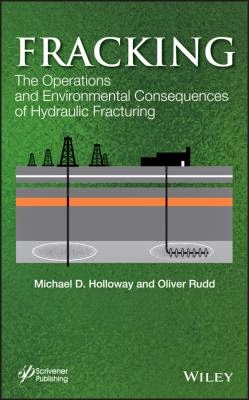
Some context is provided by this title from Wiley online:   Fracking: the operations and environmental consequences of hydraulic fracturing / Michael D. Holloway and Oliver Rudd.  2014.

Thursday, September 25, 2014

New Publications from Craig, FitzGerald, Tarvin; co-authored with alumni

New publications from Oberlin faculty and recent grads (names indicated by bold font), as indexed in Web of Science:

Craig, Norman C. (Professor Emeritus of Chemistry), Yihui Chen '13, Herman van Besien '11, and Thomas A. Blake. 2014. Analysis of the Rotational Structure in the High-Resolution Infrared Spectra of Trans-Hexatriene-2-D(1) and-3-D(1). Journal of Molecular Spectroscopy 303: 26-35. doi:10.1016/j.jms.2014.07.001.  Subscriber access at sciencedirect.com

Kapelewski, Matthew T., Stephen J. Geier, Matthew R. Hudson, David Stueck, Jarad A. Mason, Jocienne N. Nelson '14, Dianne J. Xiao, Elizabeth Gilmour (Physics instructor), Stephen A. FitzGerald (Professor of Physics), et al. 2014. M-2(M-Dobdc) (M = mg, Mn, Fe, Co, Ni) Metal-Organic Frameworks Exhibiting Increased Charge Density and Enhanced H-2 Binding at the Open Metal Sites. Journal of the American Chemical Society 136 (34): 12119-12129. Subscriber access at pubs.acs.org

Lumpkin, David C. '13, Troy G. Murphy, and Keith A. Tarvin (Professor of Biology). 2014. Blood Parasite Infection Differentially Relates to Carotenoid-Based Plumage and Bill Color in the American Goldfinch. Ecology and Evolution 4 (16): 3210-3217. Open access at onlinelibrary.wiley.

Wednesday, September 24, 2014

Maine is uniquely vulnerable to effects of climate change


As reported in the Boston Globe, September 21, by David Abel:  The interactions of so many effects of climate change are leading to increasingly dire consequences, from massive die-off of amphibians to a population explosion among deer ticks, rapid growth in the numbers of invasive species that disrupt ecosystems, and plant communities that are becoming "out of sync" with their pollinators.  Maine is particularly susceptible to the negative impacts of climate change:
"Heat waves, more powerful storms, and rising seas are increasingly transforming Maine — effects that most climate scientists trace to greenhouse gases warming the planet. Wedged between powerful streams of cold and warm air, the state is buffeted by climate fluctuations in the arctic and the Gulf of Maine, both of which are warming rapidly."  --David Abel
I tend to think of Florida or the Gulf of Mexico coastal areas as the most vulnerable to huge storms, without considering climate impacts on our most northeastern state.  Maine seems so solid and impervious, with its thousands of square miles of forested land and higher elevation topography.  Abel's story is a compelling read, examining complex ecosystems which are finely balanced to thrive in a cooler world than where we are now (and certainly cooler than where we are headed).

The Encyclopedia of global warming & climate change / general editor, S. George Philander, gives a summary of the effects of a warming world on regions, states and nations worldwide.

Nature Communications to become Open-Access

http://www.nature.com/ncomms/index.html
www.nature.com/ncomms/index.html
This comes from Nature Publishing, announced on September 23:

Nature Communications is to become Nature Publishing Groups flagship open access title. From 20th October 2014 Nature Communications will only accept open access research submissions.

Nature Communications was launched in 2010 as a born-digital hybrid journal, publishing both open access and subscription content and is now one of NPG's fastest growing titles, receiving over 1000 submissions every month. All research published by the journal represents important advances of significance to specialists within each field, in all areas of the biological, physical, chemical and earth sciences. The journal will continue to uphold its high editorial standards and service, but now through a purely open access publishing model.  More

The most recent review article published in Nature Communications is indicative of the high quality of this new journal from Nature Publishing:  
Spicer, C. D. & Davis, B. G. Selective chemical protein modification. Nat Commun 5 (2014)

Tuesday, September 23, 2014

It's National Voter Registration Day! Register to vote in the science library.

Vote in Ohio!  Citizens of the United States who reside in Ohio as college students are given the right to vote in our state.
Input area code 44074 @ Vote411.org for election information
Voter registration forms are available in the science library; we'll help you complete the form and deliver it to the Board of Elections for you.

There are important state-wide races to be decided in this November's election, as well as choosing the U.S. congressional representative for our district (4th district; incumbent is Jim Jordan).  The outcome of these elections impacts all college students, as policies and budgets help determine quality of life and the extent to which the broader community is supported with access to good education options, funding for scientific research, health care, employment, social services, a clean and sustainable environment, and safe, adequate public works infrastructure.  This is just the short list of ways in which Ohio politicians can affect our daily lives. We are part of the community; you have the right to help determine how we are governed.

--Alison Ricker, current board member and past president, League of Women Voters of the Oberlin Area.  LWVOA on Facebook.

Friday, September 19, 2014

Pneumonia-causing bacteria shown to invade heart muscle

I always enjoy the weekly update from The Scientist, received in my email inbox every Friday.  This week, an excellent summary of research published in PLOS Pathogens caught my eye.

Here, a snippet from Molly Sharlach's news article:
“Researchers from the University of Texas Health Science Center at San Antonio (UTHSCSA) and their colleagues found that mice and rhesus macaques infected with Streptococcus pneumoniae developed myocardial microlesions, which were also present in human autopsy samples. 
“Study coauthor Carlos Orihuela, a microbiologist and immunologist at UTHSCSA, remarked, 'This is sort of a big deal. It’s a brand new disease pathology for a very old bug.' 
“'This is the first report in over 120 years of research with Streptococcus pneumoniae to say that the bacteria actually invade heart tissue,' added Orihuela.“
A.O. Brown et al., “Streptococcus pneumoniae translocates into the myocardium and forms unique microlesions that disrupt cardiac function,” PLOS Pathogens, doi:10.1371/journal.ppat.1004383, 2014.

For some background reading, try this ebook from Springer, accessible through OBIS:
Molecular pathology of lung diseases / edited by Dani S. Zander ... [et al.] New York : Springer, c2008

Friday, September 12, 2014

Neonictinoids: dangerous to bees and more, with negative consequences for entire ecosystems

Researchers continue to amass evidence showing the harmful effects of neonictinoids in pesticides.  National Geographic's news report for a general audience gives an overview, and many scientific papers are quickly found with a search on neonictinoids in Web of Science.  Here are a few of the most recent, beginning with two articles in the open access journal PLOS One.

Tan, K., Chen, W., Dong, S., Liu, X., Wang, Y., & Nieh, J. C. (2014). Imidacloprid alters foraging and decreases bee avoidance of predators. PLOS One, 9(7), e102725. doi:10.1371/journal.pone.0102725
Partial abstract: “Concern is growing over the effects of neonicotinoid pesticides, which can impair honey bee cognition. We provide the first demonstration that sublethal concentrations of imidacloprid can harm honey bee decision-making about danger by significantly increasing the probability of a bee visiting a dangerous food source.”
Sandrock, C., Tanadini, M., Tanadini, L. G., Fauser-Misslin, A., Potts, S. G., & Neumann, P. (2014). Impact of chronic neonicotinoid exposure on honeybee colony performance and queen supersedure. PLOS One, 9(8), e103592. doi:10.1371/journal.pone.0103592 
Find it in the library

Chen, M., Tao, L., McLean, J., & Lu, C. (2014). Quantitative analysis of neonicotinoid insecticide residues in foods: Implication for dietary exposures. Journal of Agricultural and Food Chemistry, 62(26), 6082-6090. doi:10.1021/jf501397m

Godfray, H. C. J., Blacquiere, T., Field, L. M., Hails, R. S., Petrokofsky, G., Potts, S. G., . . . McLean, A. R. (2014). A restatement of the natural science evidence base concerning neonicotinoid insecticides and insect pollinators. Proceedings of the Royal Society B-Biological Sciences, 281(1786), 20140558. doi:10.1098/rspb.2014.0558

Hallmann, C. A., Foppen, R. P. B., van Turnhout, Chris A M, de Kroon, H., & Jongejans, E. (2014). Declines in insectivorous birds are associated with high neonicotinoid concentrations. Nature, 511(7509), 341-+. doi:10.1038/nature13531

Kasiotis, K. M., Anagnostopoulos, C., Anastasiadou, P., & Machera, K. (2014). Pesticide residues in honeybees, honey and bee pollen by LC-MS/MS screening: Reported death incidents in honeybees. Science of the Total Environment, 485, 633-642. doi:10.1016/j.scitotenv.2014.03.042

Stewart, S. D., Lorenz, G. M., Catchot, A. L., Gore, J., Cook, D., Skinner, J., . . . Barber, J. (2014). Potential exposure of pollinators to neonicotinoid insecticides from the use of insecticide seed treatments in the mid-southern united states. Environmental Science & Technology, 48(16), 9762-9. doi:10.1021/es501657w

Also relevant:  Honeybee Neurobiology and Behavior : A Tribute to Randolf Menzel / edited by C. Giovanni Galizia, Dorothea Eisenhardt, Martin Giurf.  Springer, 2012 online for subscribers.

Thursday, August 28, 2014

Pulsar research published by Dan Stinebring

New publication from Stinebring, et al., using the LOw-Frequency ARray (LOFAR) radio telescope, as indexed in Web of Science:

Millisecond pulsar scintillation studies with LOFAR: initial results
Authors:
Archibald, Anne M.; Kondratiev, Vladislav I.; Hessels, Jason W. T.; Stinebring, Daniel R, Francis D Federighi Professor of Physics.

ASTROPHYSICAL JOURNAL LETTERS, 790 (2) AUG 1 2014  [view at IOPScience]

Monday, August 18, 2014

Getting ready for the new year!

Summer is fleeting away, and some of us are trying to squeeze just a little vacation into what is left of August.

Meanwhile, orientation for new faculty has begun and the class of 2018 will be moving in next week.  It's an exciting time of year.  Many of our colleagues around the state have already welcomed incoming and returning students and are in full academic year mode.  By mid-September, these waning days of summer will be a fading memory.  For now, enjoy the relative peace in the science library, where the new book shelves are still brimming with fascinating tomes and a new printer sits gleaming in the copy room, promising reliable performance (hurray!).